

Breaking Down the Costs of Car Repairs After an Accident: Understanding Car Repair Cost Factors

Car accidents are stressful. After the initial shock, the next big question is often: how much will it cost to fix my car? Repair costs can vary widely. Knowing what affects these costs helps you prepare and make smart decisions. I want to share what I’ve learned about car repair cost factors and how they impact your wallet.
What Affects Car Repair Costs?
Several things influence how much you will pay to fix your car after an accident. Here are the main car repair cost factors to keep in mind:
Damage Severity: Minor dents and scratches cost less than major frame damage or engine issues.
Parts Needed: Original manufacturer parts usually cost more than aftermarket or used parts.
Labor Time: The more complex the repair, the longer it takes. Labor rates vary by shop and location.
Type of Vehicle: Luxury or imported cars often have higher repair costs.
Insurance Coverage: Your deductible and coverage limits affect your out-of-pocket expenses.
Additional Repairs: Sometimes hidden damage appears after the initial inspection, adding to the cost.
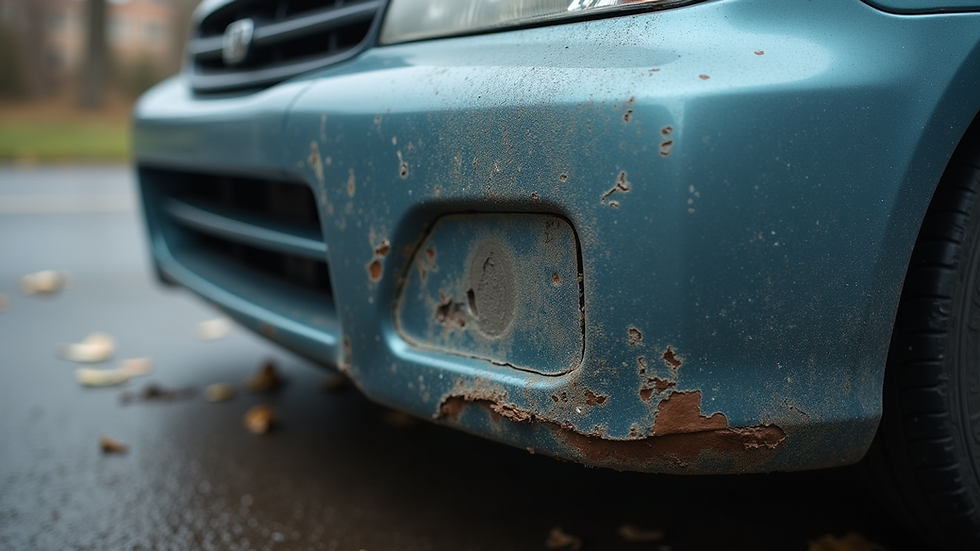
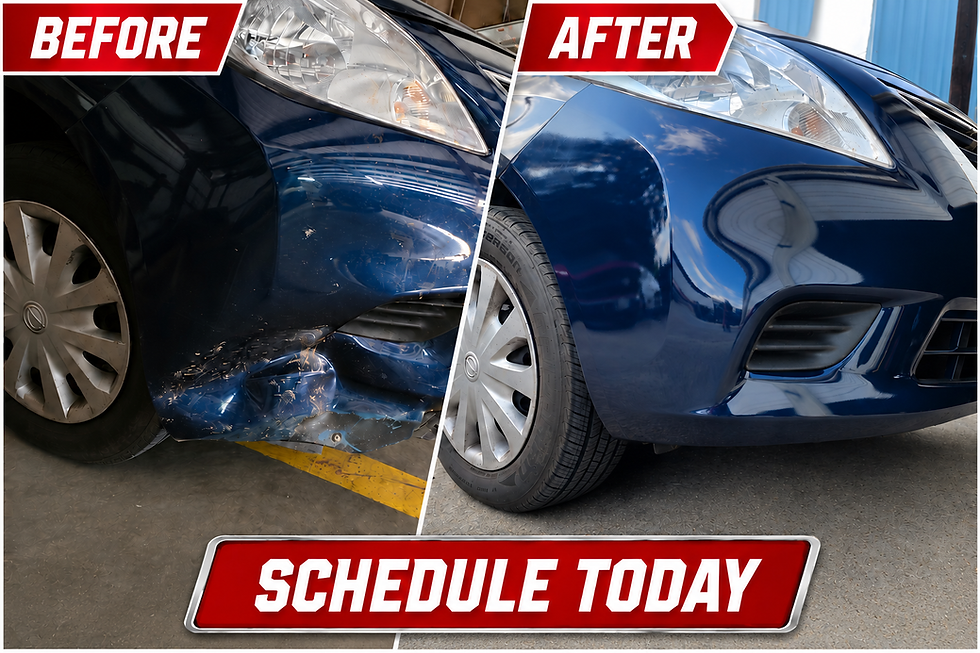
For example, a simple bumper repair might cost a few hundred dollars. But if the frame is bent or the airbags deployed, costs can jump into the thousands.
How Insurance Impacts Repair Costs
Insurance plays a big role in how much you pay after an accident. If you have collision coverage, your insurer will cover repairs minus your deductible. However, insurance companies often have preferred repair shops. These shops may offer competitive pricing but might use aftermarket parts.
If you don’t have insurance or your coverage is limited, you will pay the full repair cost yourself. This is why understanding the cost to repair car after accident is important before you commit to repairs.
Keep in mind that insurance claims can affect your premiums. Sometimes, paying out of pocket for smaller repairs can save money in the long run.
Is it Worth Fixing a Car After an Accident?
Deciding whether to repair your car depends on several factors:
Repair Cost vs. Car Value: If repair costs approach or exceed your car’s market value, it might not be worth fixing.
Safety: Even if the car looks fine, structural damage can make it unsafe.
Sentimental Value: Some people choose to repair cars they have a strong attachment to.
Future Reliability: Older cars with major damage may have ongoing issues.
If the repair estimate is high, consider getting a second opinion. Sometimes, shops can offer less expensive options or payment plans.

Tips to Manage Repair Costs
Here are some practical tips to keep repair costs manageable:
Get Multiple Estimates: Don’t settle for the first quote. Compare prices and services.
Ask About Parts Options: Inquire if aftermarket or used parts are available and safe.
Check Shop Reputation: Choose a trusted repair center with good reviews.
Understand Your Insurance: Know your deductible and coverage limits before repairs.
Document Everything: Keep records of estimates, repairs, and communications with your insurer.
Negotiate: Some shops may offer discounts or payment plans.
Being proactive can save you money and reduce stress during the repair process.
What to Expect During the Repair Process
Knowing what happens during repairs helps you plan your time and budget:
Initial Inspection: The shop assesses visible and hidden damage.
Estimate Preparation: They provide a detailed cost breakdown.
Insurance Approval: If applicable, the insurer reviews and approves the estimate.
Parts Ordering: Depending on availability, this can take days or weeks.
Repair Work: Technicians fix the damage, which can take from a day to several weeks.
Quality Check: The car is inspected to ensure repairs meet standards.
Final Delivery: You get your car back, often with a warranty on repairs.
Communication with your repair center is key. Ask for updates and timelines to avoid surprises.
Planning Ahead for Peace of Mind
Accidents are unpredictable, but being prepared helps. Here are some steps to take before an accident happens:
Know Your Insurance Policy: Understand what is covered and your deductible.
Find a Trusted Repair Shop: Research local shops with good reputations.
Keep Emergency Contacts Handy: Have your insurer and repair shop numbers saved.
Document Your Vehicle’s Condition: Take photos regularly to have a record.
Preparation can make the repair process smoother and less stressful.
Repairing your car after an accident can be costly and complicated. But understanding the main car repair cost factors and how insurance works helps you make better choices. Whether you decide to fix your car or not, having clear information puts you in control. If you want to learn more about the cost to repair car after accident, reach out to a trusted local repair center for a detailed estimate.
Comments